Buying a Dry Cleaning Business
Buying a dry cleaning business can look straightforward—find a shop with steady customers, take over operations, keep the machines running. In reality, the value of the deal often lives in the details: the lease terms that control your location, the condition and ownership of equipment, the accuracy of the seller’s financials, and the contracts and obligations you may inherit at closing.
The Price Law Firm is recognized for real estate and transaction-focused representation in New York. When you’re buying a dry cleaning business, we help you translate what you’re being told into what your documents actually guarantee—so your purchase is based on enforceable terms, not assumptions.
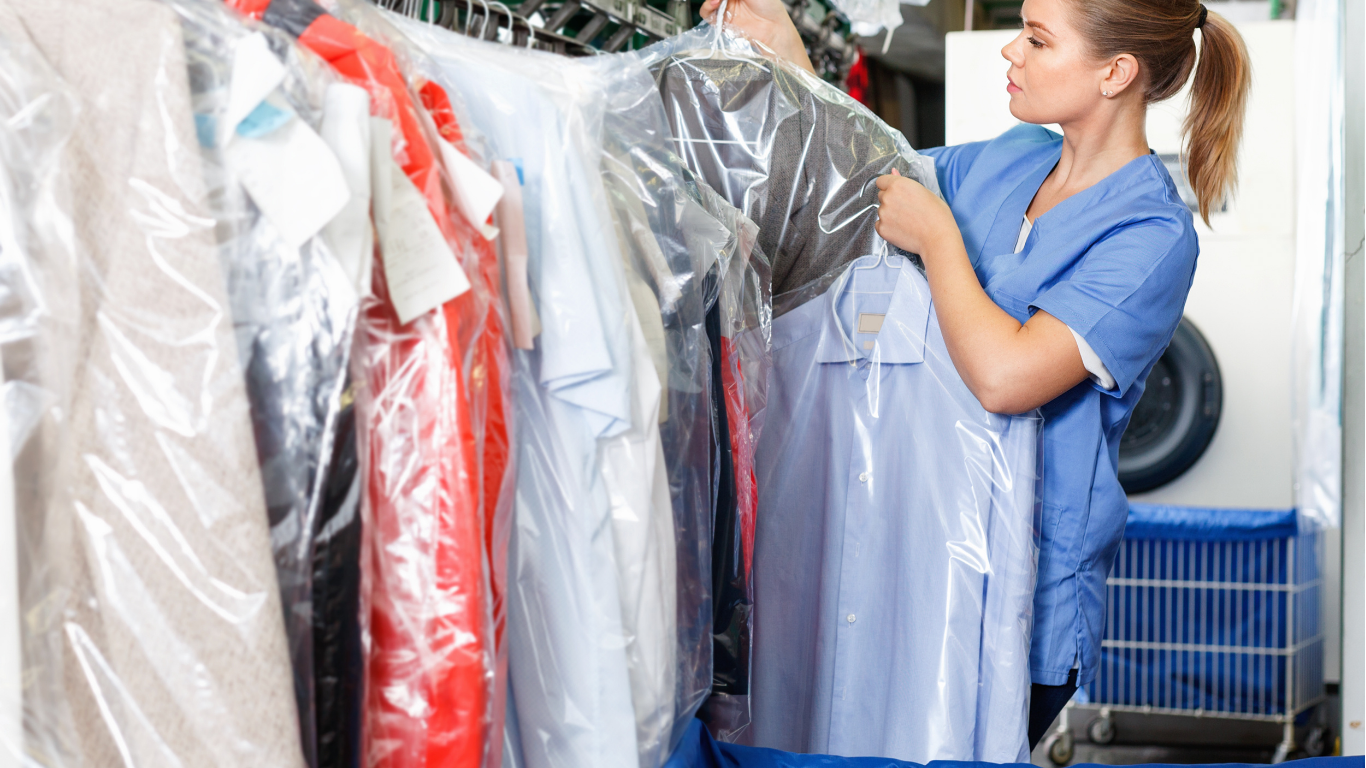
Buying a dry cleaning business with contract and lease terms built to reduce surprises
A dry cleaning purchase is typically a business acquisition tied tightly to real estate. Even if you’re not buying the building, you’re usually buying the ability to operate in that exact location—under a lease that may restrict what you can do, raise rent faster than you expect, or require landlord approvals before the deal can close.
With buying a dry cleaning business, we focus on the purchase agreement and every document that supports it. That includes clarifying what assets are included (equipment, inventory, customer lists, phone numbers, signage, online profiles), what’s excluded, what the seller must deliver before closing, and what happens if key conditions aren’t met. We also look for “silent risk”—unclear responsibilities, vague timelines, or missing representations that can leave you holding the bag after the money changes hands.
Buying a dry cleaning business due diligence that matches how these deals actually work
A dry cleaning business can be “busy” and still be a bad purchase if the equipment is near end-of-life, if the lease is too tight, or if the numbers don’t reflect reality. During buying a dry cleaning business, legal due diligence helps you ask better questions and put better answers into writing.
Here are common diligence areas buyers want to confirm before committing (and before releasing deposits where possible):
- Lease and landlord consent: assignment terms, personal guarantees, use clauses, renewal options, rent escalations, repair obligations, and default history
- Equipment ownership and condition: whether machines are owned, financed, or leased; transferable warranties; maintenance history; and what’s actually included in the sale
- Financial reality: whether reported revenue/expenses align with documentation, and whether any “add-backs” are supported and reasonable
- Operational obligations: vendor arrangements, service contracts, delivery routes, staffing plans, and any terms that change after ownership transfers
- Transfer mechanics: what must happen at/after closing for the business to function—utilities, accounts, keys, access, signage, and customer-facing handoffs
This isn’t about making the deal harder. It’s about making buying a dry cleaning business more predictable—so you know what you’re stepping into and you have contractual remedies if the seller’s version of the business doesn’t match what you receive.
Are dry cleaning businesses profitable?
Buying a dry cleaning business can lead to strong performance in the right market with the right cost structure, but profitability isn’t automatic—and it varies widely by location, rent, labor costs, equipment reliability, service mix (wash-and-fold, alterations, pickup/delivery), and local competition.
What matters most is whether the business’s profit is durable after you take over. When you’re buying a dry cleaning business, it’s smart to evaluate whether performance depends on the seller’s personal involvement, informal relationships, or one-off conditions that won’t transfer to you. It’s also smart to measure how sensitive profits are to rent increases, payroll changes, and equipment downtime—because those factors can quickly reshape the numbers.
A lawyer can’t promise profitability. But legal counsel can help ensure you get the information you need, that the purchase agreement reflects reality, and that your risk is allocated fairly.
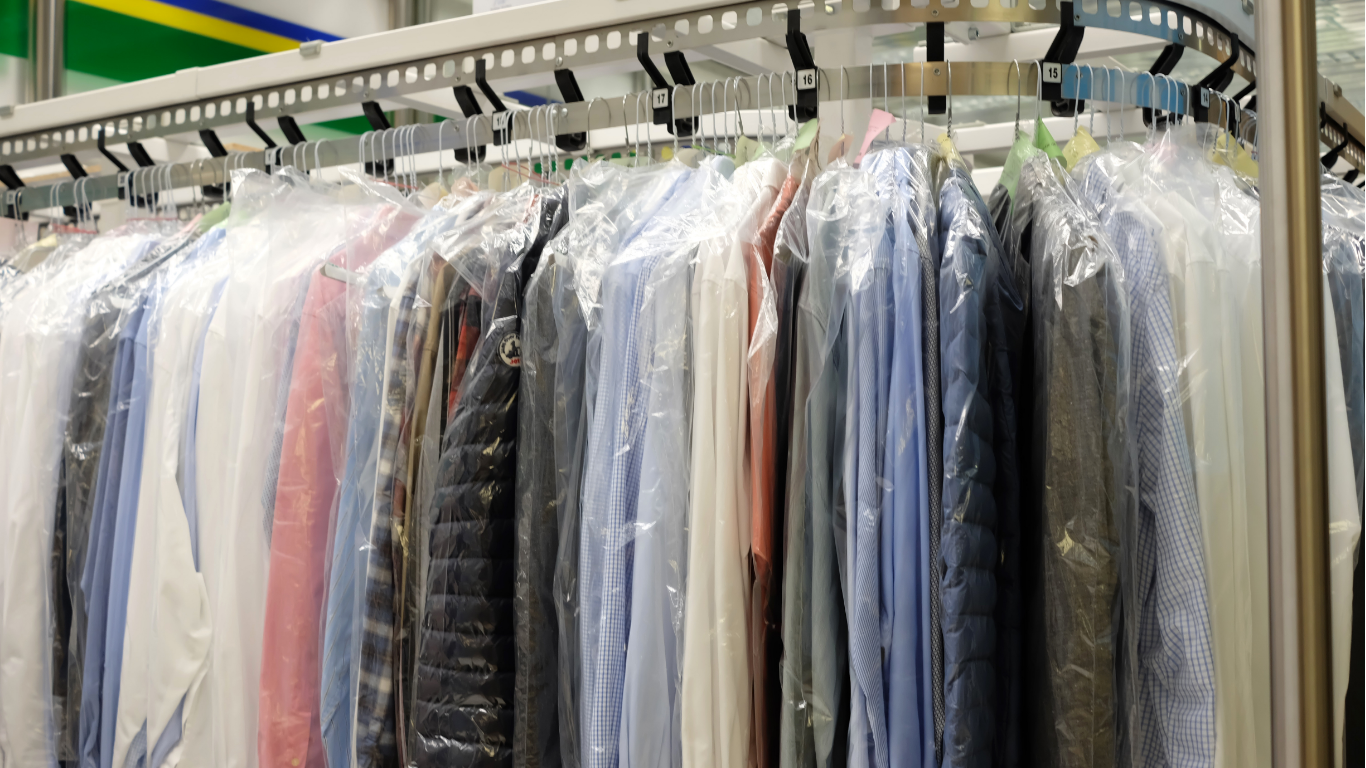
How to Start a Dry Cleaning Business in 11 Steps
If you’re deciding between starting from scratch and buying a dry cleaning business, the “steps” matter because they reveal where cost, time, and risk tend to stack up—especially around location, lease terms, equipment decisions, staffing, and operational compliance. Even buyers who acquire an existing shop often end up completing many “startup” steps immediately after closing (new vendor accounts, staffing changes, marketing, upgrades, process improvements).
When clients come to The Price Law Firm for buying a dry cleaning business, we approach the purchase like a controlled launch: confirm what you’re acquiring, tighten the contract so expectations are enforceable, and align the timeline with the approvals and handoffs required to operate smoothly on day one.
What are the disadvantages of dry cleaning business?
The disadvantages usually show up as cost pressure and operational complexity—often tied to fixed expenses and equipment dependency. With buying a dry cleaning business, the biggest risk is purchasing a business that “works” only as long as nothing breaks and costs don’t rise. High rent, high utilities, and labor demands can compress margins quickly, especially if the lease escalates aggressively or if staffing requirements are underestimated.
Equipment is another major disadvantage: downtime can immediately hit revenue, and replacement or repair can be expensive. That’s why the legal and diligence phase of buying a dry cleaning business should clarify equipment ownership, maintenance history, what the seller is required to deliver at closing, and what happens if key representations turn out to be inaccurate.
Don’t leave your legal matters to chance. SCHEDULE A CONSULTATION OR CALL US AT (212) 675-1125 for a personalized consultation and let our experts guide you through every step of the process.
How much does it cost to start a dry cleaning business?

FAQs about buying a dry cleaning business
What documents matter most when buying a dry cleaning business?
In buying a dry cleaning business, the purchase agreement and the lease (or lease assignment) usually drive the outcome. The purchase agreement should precisely define what you’re buying, what the seller must deliver, and what happens if conditions aren’t met. The lease controls your right to operate in that location and can add major costs and restrictions that change the value of the deal.
Why is the lease such a big deal in buying a dry cleaning business?
Because location and occupancy terms often determine whether the business can maintain its customer base and margins. In buying a dry cleaning business, lease assignment restrictions, landlord consent requirements, use clauses, renewal options, repair obligations, and rent escalations can either support long-term stability or create immediate pressure that’s hard to overcome.
What should I watch for with equipment when buying a dry cleaning business?
Equipment can be the heart of the operation and a major hidden risk. With buying a dry cleaning business, you want clarity on whether equipment is owned outright, leased, or financed; what’s transferable; what maintenance history exists; and what the seller is promising about condition. The agreement should match the real-world state of the machines, not just a list of models.
Can the seller’s numbers be misleading when buying a dry cleaning business?
They can be incomplete, overly optimistic, or based on assumptions that don’t transfer. During buying a dry cleaning business, it’s important to understand what documentation supports the seller’s revenue and expenses, whether any “add-backs” are reasonable, and whether results depend on the seller’s personal involvement or informal arrangements that may change after closing.
When should I talk to a lawyer during buying a dry cleaning business?
Ideally before you sign a letter of intent that locks you into unfavorable terms, and definitely before you sign the purchase agreement or release significant deposits. With buying a dry cleaning business, early legal input can help structure the timeline, negotiate protections, and flag lease or contract terms that could become expensive after closing.
Thinking about buying a dry cleaning business in New York?



Commercial Service
Expert legal guidance for complex commercial real estate transactions and disputes.
Pay Invoice
Conveniently pay your invoice online through our secure payment portal.

News/Blog
Stay updated with our latest legal insights and real estate news.


Experience the difference of quality legal representation.
Experience the difference of quality legal representation with Price Law Firm. Our dedicated team of experienced attorneys provides personalized, client-centered service, ensuring your legal needs are met with expertise and care. From comprehensive legal support to successful dispute resolution, we prioritize your interests and work diligently to achieve the best possible outcomes. Partner with us for exceptional legal advocacy.