Buying a Dry Cleaning Business in New York City
At first glance, buying a dry cleaning business might seem simple—step into an existing operation with a steady stream of customers and take over the day-to-day. But in New York City, where every square foot counts and lease terms can make or break a deal, the real value is buried in the fine print. From assessing the state of the equipment to understanding the actual financial health of the business and the obligations that come with it, the details matter.
The Price Law Firm is known for its strong focus on real estate and business transactions across New York. When you're buying a dry cleaning business in New York City, we help you cut through the noise—so your deal is grounded in solid, enforceable terms. Whether you're buying a spot near Central Park or deep in a neighborhood like Astoria or Park Slope, we make sure what you’re promised is what you actually get.
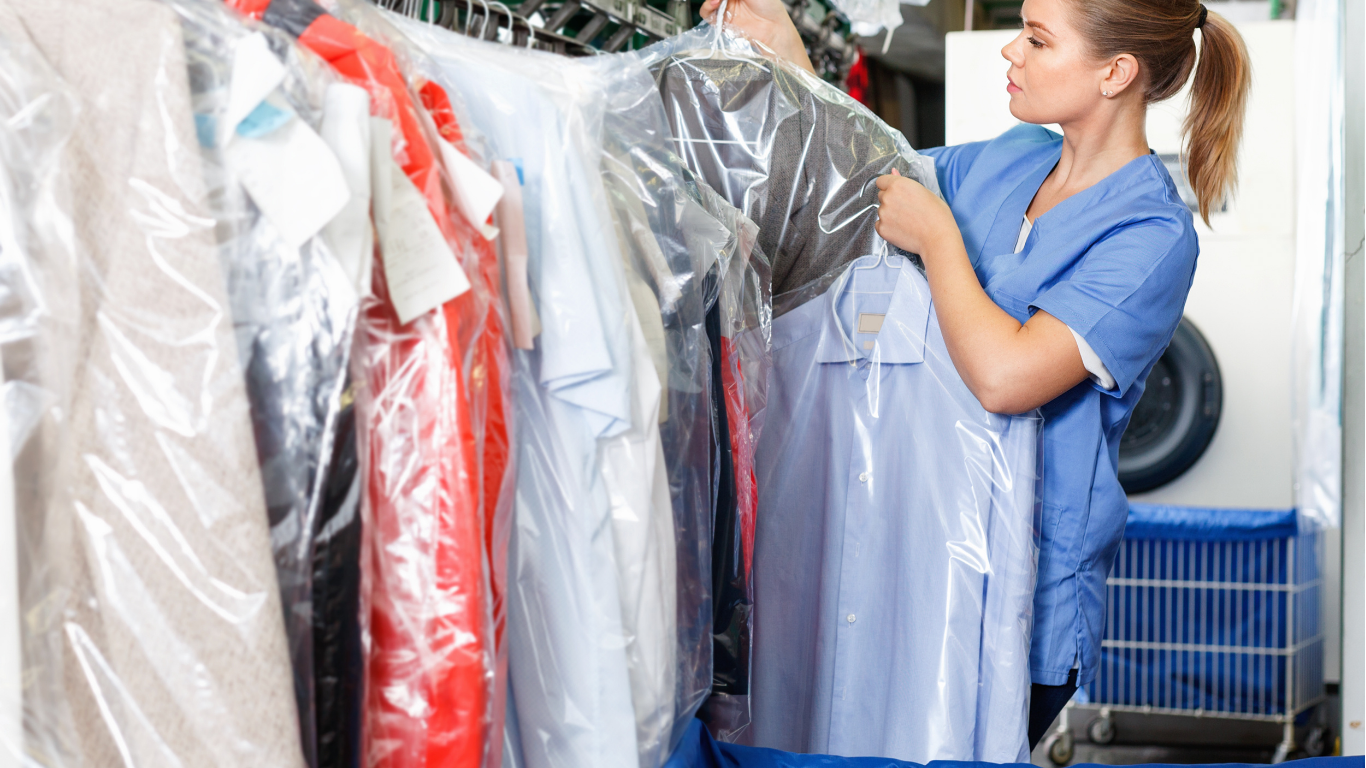
Buying a dry cleaning business in New York City with contract and lease terms built to reduce surprises
Buying a dry cleaning business in New York City is often less about the business itself and more about the rights tied to its physical location. Even without buying the building, you're usually stepping into a lease that could restrict your operations, trigger unexpected rent hikes, or require landlord sign-off before you can even close.
We focus on every element of the transaction—especially the purchase agreement and its supporting documents. That means spelling out what assets are included (equipment, inventory, customer database, online presence, phone lines, signage), what’s not, what must be handed over before closing, and what happens if essential conditions aren’t fulfilled. We also look for hidden liabilities—unclear timelines, vague responsibilities, or missing protections—that could leave you exposed after the purchase.
Buying a dry cleaning business due diligence that matches how these deals actually work in New York City
A dry cleaning business in New York City can appear profitable but still be a risky buy—especially if the lease terms are rigid, the equipment is outdated, or the financials are misleading. That’s why legal due diligence is essential during buying a dry cleaning business, helping you dig deeper and protect your investment with clear documentation.
Here are key diligence areas to examine before moving forward (and ideally before releasing any deposit):
✔ Lease and landlord consent: terms for assignment, personal guarantees, use restrictions, options to renew, rent escalations, repair responsibilities, and past defaults
✔ Equipment ownership and condition: clarify if equipment is owned, leased, or financed; check maintenance history, warranties, and what's included in the sale
✔ Financial reality: verify reported income and expenses with documentation; assess whether any add-backs are reasonable and provable
✔ Operational obligations: vendor contracts, delivery services, employee structures, and agreements that change post-closing
✔ Transfer mechanics: what’s needed at and after closing to run the business—access, keys, accounts, utilities, signage, and customer transitions
Our goal isn't to make the process more complicated—it’s to make buying a dry cleaning business in New York City more predictable and secure, with legal safeguards in place if what you receive doesn't match what you were told.
Are dry cleaning businesses profitable in New York City?
Buying a dry cleaning business in New York City can be a smart move in the right location with a manageable cost structure—but success isn’t guaranteed. Rent levels, labor costs, the type of services offered (alterations, delivery, wash-and-fold), and nearby competitors all impact profitability.
The key is understanding whether the business can sustain its profits once you're at the helm. Is the current owner's involvement crucial? Are there informal deals or one-off arrangements that won’t transfer to you? Can the business absorb a rent hike, payroll increase, or a breakdown in equipment? These are the variables that shape your real return.
Legal counsel can’t guarantee the business will succeed, but we can ensure the deal structure reflects the real conditions and that your exposure to risk is properly accounted for.
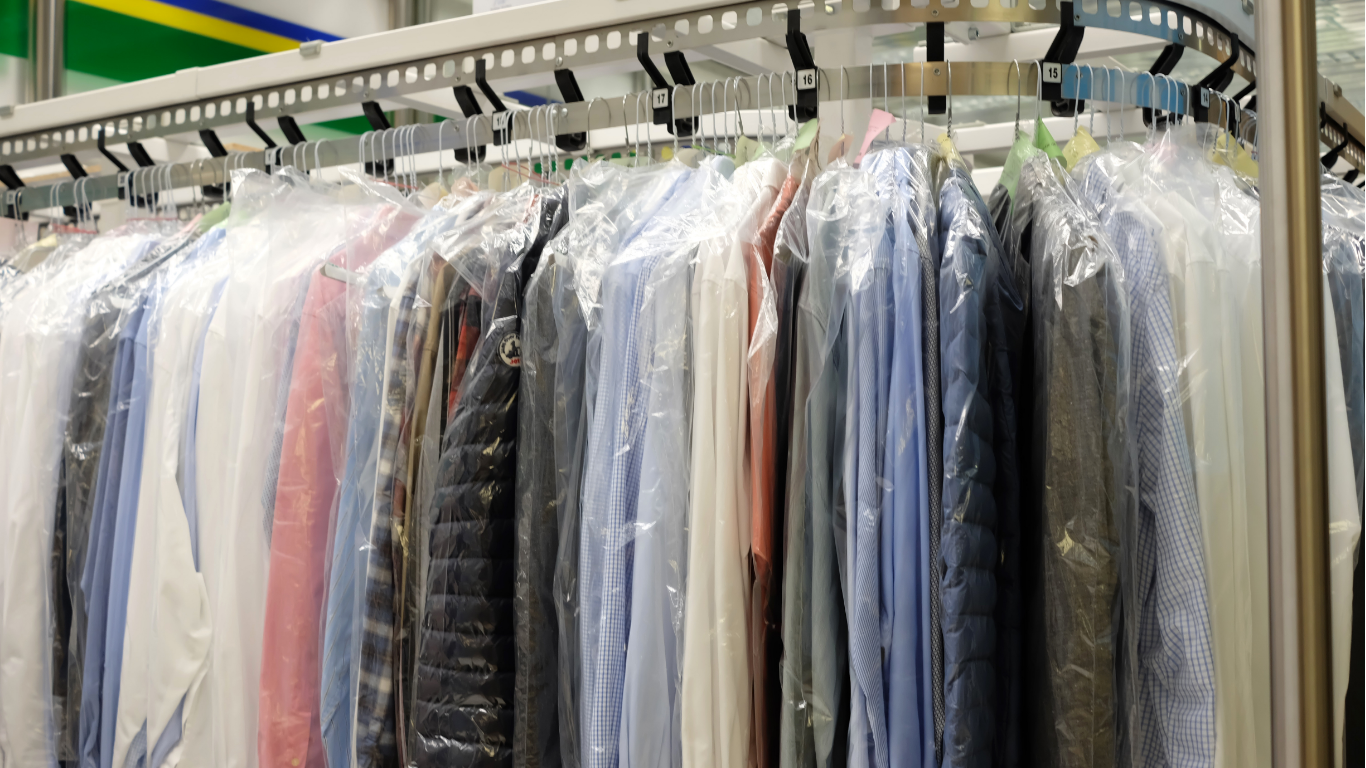
How to Start a Dry Cleaning Business in New York City in 11 Steps
When you’re weighing whether to start a new shop or focus on buying a dry cleaning business in New York City, the process reveals a lot about where the biggest costs and hurdles lie. Things like securing the right location, negotiating a workable lease, setting up reliable equipment, and ensuring staffing and compliance can create delays and add complexity.
Even if you're acquiring an existing business, many buyers find themselves tackling startup-like tasks soon after closing—setting up vendors, adjusting staff, upgrading processes, and launching marketing campaigns.
At The Price Law Firm, we treat the acquisition process like a structured launch plan. We confirm what you’re actually getting, make sure the contract reflects clear and enforceable terms, and build the timeline around the steps and approvals needed to run smoothly from day one.
What are the disadvantages of dry cleaning business in New York City?
The biggest drawbacks in buying a dry cleaning business in New York City often show up in the form of high fixed costs and operational dependencies. If the model only works under perfect conditions, you’re vulnerable to rising expenses, equipment breakdowns, or labor issues—especially if the lease includes aggressive rent escalations or if staffing needs were underestimated.
Equipment is a major factor. A machine that goes down can immediately impact your revenue, and repairs or replacements are rarely cheap. That’s why legal diligence during buying a dry cleaning business should dig deep into equipment ownership, past maintenance, seller obligations at closing, and what happens if key claims aren’t accurate.
Don’t leave your legal matters to chance. SCHEDULE A CONSULTATION OR CALL US AT (212) 675-1125 for a personalized consultation and let our experts guide you through every step of the process.
How much does it cost to start a dry cleaning business in New York City?
Costs for buying a dry cleaning business in New York City can vary widely depending on the business type (satellite drop-off vs. full-service), the lease terms, build-out requirements, and the equipment you’re inheriting or replacing. Add-on services like pickup and delivery can shift the model—and the budget.
So when clients ask about cost, we focus on the specifics of the deal, not generalized price ranges. It’s the deal-specific costs that tend to hit right after closing.
Here are cost areas to evaluate closely:
✔ Lease-related: deposits, personal guarantees, and potential renovation obligations
✔ Equipment: immediate repair or replacement costs, and what's covered under the deal
✔ Startup expenses: early payroll, staff training, marketing to retain or grow the customer base
✔ Working capital: cash needed to cover early operations and any surprises
We make sure your contract highlights these expenses clearly—so you’re not blindsided by unexpected costs after you’ve already committed.

FAQs about buying a dry cleaning business in New York City
What documents matter most when buying a dry cleaning business?
In buying a dry cleaning business, the purchase agreement and the lease (or lease assignment) usually drive the outcome. The purchase agreement should precisely define what you’re buying, what the seller must deliver, and what happens if conditions aren’t met. The lease controls your right to operate in that location and can add major costs and restrictions that change the value of the deal.
Why is the lease such a big deal in buying a dry cleaning business?
Because location and occupancy terms often determine whether the business can maintain its customer base and margins. In buying a dry cleaning business, lease assignment restrictions, landlord consent requirements, use clauses, renewal options, repair obligations, and rent escalations can either support long-term stability or create immediate pressure that’s hard to overcome.
What should I watch for with equipment when buying a dry cleaning business?
Equipment can be the heart of the operation and a major hidden risk. With buying a dry cleaning business, you want clarity on whether equipment is owned outright, leased, or financed; what’s transferable; what maintenance history exists; and what the seller is promising about condition. The agreement should match the real-world state of the machines, not just a list of models.
Can the seller’s numbers be misleading when buying a dry cleaning business?
They can be incomplete, overly optimistic, or based on assumptions that don’t transfer. During buying a dry cleaning business, it’s important to understand what documentation supports the seller’s revenue and expenses, whether any “add-backs” are reasonable, and whether results depend on the seller’s personal involvement or informal arrangements that may change after closing.
When should I talk to a lawyer during buying a dry cleaning business?
Ideally before you sign a letter of intent that locks you into unfavorable terms, and definitely before you sign the purchase agreement or release significant deposits. With buying a dry cleaning business, early legal input can help structure the timeline, negotiate protections, and flag lease or contract terms that could become expensive after closing.
Thinking about buying a dry cleaning business in New York City?


Commercial Service
Expert legal guidance for complex commercial real estate transactions and disputes.
Pay Invoice
Conveniently pay your invoice online through our secure payment portal.

News/Blog
Stay updated with our latest legal insights and real estate news.


Experience the difference of quality legal representation.
Experience the difference of quality legal representation with Price Law Firm. Our dedicated team of experienced attorneys provides personalized, client-centered service, ensuring your legal needs are met with expertise and care. From comprehensive legal support to successful dispute resolution, we prioritize your interests and work diligently to achieve the best possible outcomes. Partner with us for exceptional legal advocacy.