
Buying a Liquor Store in Williamsburg
Buying a liquor store in Williamsburg comes with both opportunity and complexity. This trendy Brooklyn neighborhood has high foot traffic and strong demand—but also dense competition, evolving zoning rules, and strict compliance requirements that can quickly complicate your transaction.
When buying a liquor store in Williamsburg, you’re not just taking over a retail space. You’re stepping into a regulated business, assuming existing contracts, reviewing financials for accuracy, and often dealing with lease terms that can significantly affect your investment.
At The Price Law Firm, we help clients buying a liquor store in Williamsburg navigate the entire process—from uncovering hidden risks to negotiating terms that offer more security and control throughout the transaction.
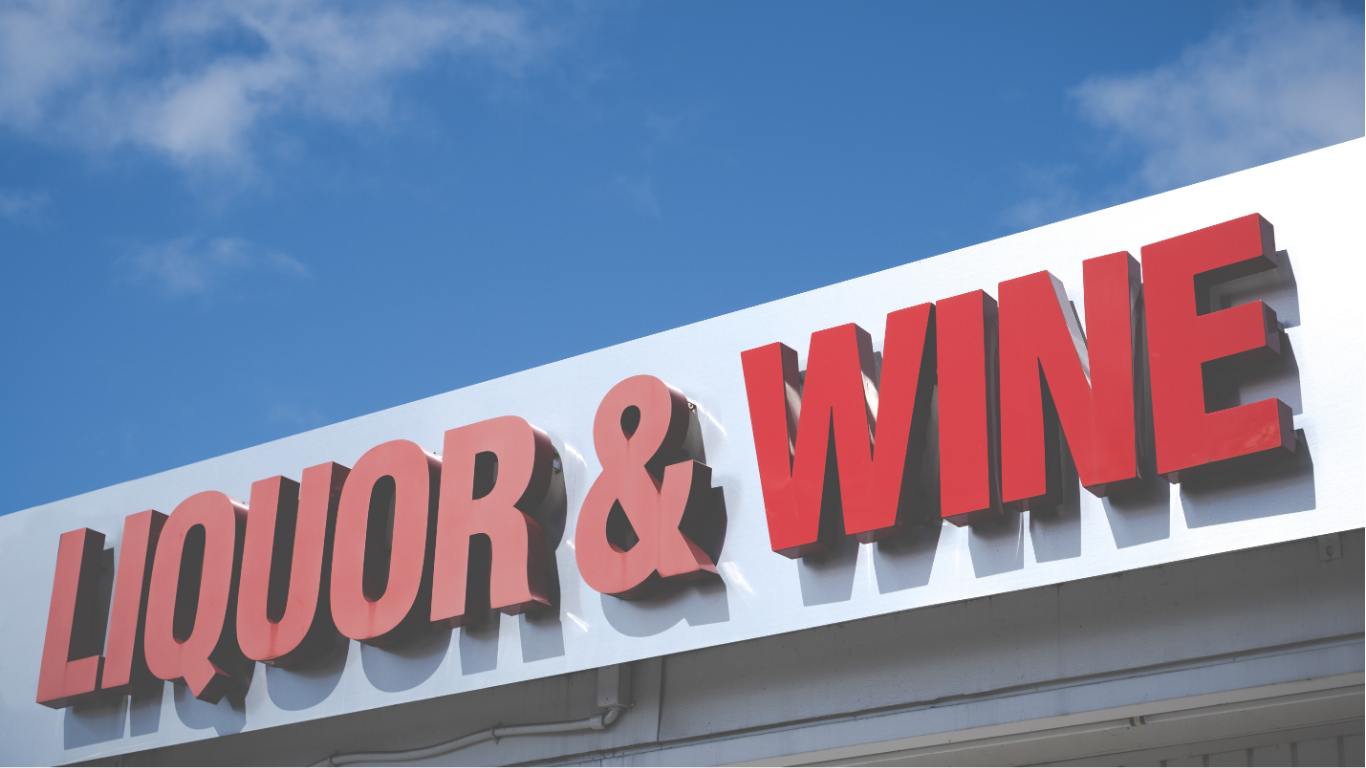
Buying a liquor store in Williamsburg with a legal strategy that protects the deal—not just the closing date
Liquor store deals in Williamsburg often involve a combination of business assets, commercial leases, and regulatory obligations. The intersection of these elements is where most deals can fall apart—due to unclear responsibilities, missing disclosures, or unrealistic assumptions about a smooth ownership transfer.
When buying a liquor store in Williamsburg, we help our clients focus on the essentials: what’s part of the deal, what conditions need to be met before closing, and what happens if those conditions aren’t satisfied. We carefully negotiate and review the purchase agreement and related documents, ensuring your rights are protected and expectations are enforceable. If the location is leased, we analyze the lease terms to determine how landlord rules, rent increases, or usage clauses could impact your operations.
Due diligence matters. Buying a liquor store in Williamsburg means verifying claims around revenue, inventory, vendor relationships, and other obligations—so your purchase is grounded in reality, not assumptions.
Buying a liquor store in Williamsburg means navigating regulation, real estate, and risk at the same time
New York liquor laws play a significant role in how fast and smoothly a liquor store transaction can close. Buying a liquor store in Williamsburg requires up-front attention to compliance, licensing approvals, and regulatory processes that, if mishandled, can derail an otherwise solid deal.
The lease is just as important. In Williamsburg, success is often tied to location and foot traffic. We help clients evaluate lease clauses—like rent escalations, renewal rights, assignment provisions, and use restrictions—to ensure the lease structure doesn’t limit profitability or flexibility.
Our goal is to make buying a liquor store in Williamsburg more secure—not more complicated. With strong legal guidance, you’ll move into closing with fewer risks and stronger protections in place.
What are the challenges of owning a liquor store in Williamsburg?
The biggest challenges often arise before the deal even closes. Buying a liquor store in Williamsburg means dealing with regulatory approvals, licensing requirements, and local business rules that can impact your timeline and operating options.
But those aren’t the only risks. Common issues for buyers in Williamsburg include:
✔ Licensing and compliance demands: ensuring timely approvals and regulatory eligibility
✔ Lease limitations and landlord restrictions: including consent requirements and usage boundaries
✔ Local zoning or building policies: that affect signage, hours, or renovations
✔ Vendor agreements that may not carry over: leaving supply gaps or changing pricing
✔ Inventory inaccuracies and shrinkage risks: affecting profitability right from the start
✔ Staff transitions and operational impact: disruption to continuity during or after closing
✔ Misrepresented financials or performance dependencies: including seller involvement that doesn’t transfer
When buying a liquor store in Williamsburg, legal review helps you catch these risks while you still have leverage to negotiate—or walk away.
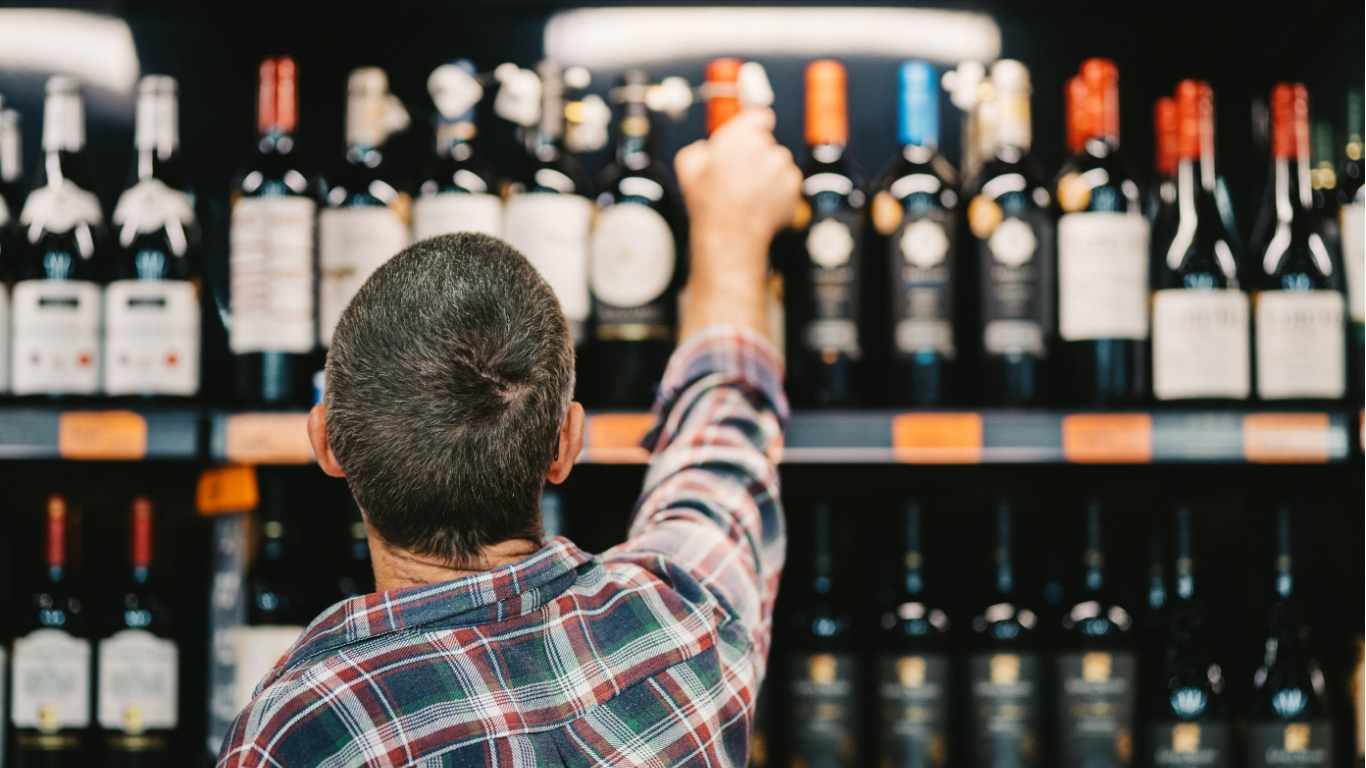
How much money do I need to open a small liquor store in Williamsburg?
The financial requirements for buying a liquor store in Williamsburg can vary significantly depending on location, rent, licensing costs, staffing, and inventory strategy. Average figures don’t tell the full story—your real number should come from a thorough, deal-specific review.
We guide clients to treat buying a liquor store in Williamsburg like any major investment. Break down what you’re buying, evaluate your ongoing expenses (especially rent and payroll), determine any needed upgrades, and assess how much capital will be required post-closing. The purchase agreement should also define exactly what must be delivered—and what happens if those obligations aren’t met.
Legal guidance helps you compare different opportunities accurately—beyond just the purchase price—so you can make a decision grounded in clarity.
Don’t leave your legal matters to chance. SCHEDULE A CONSULTATION OR CALL US AT (212) 675-1125 for a personalized consultation and let our experts guide you through every step of the process.
Do liquor stores in Williamsburg profit?
Profitability in Williamsburg’s liquor market can look great on paper—but strong sales don’t always translate to strong margins. When buying a liquor store in Williamsburg, it’s crucial to look at operational realities like lease terms, payroll costs, shrinkage, and vendor pricing.
We help buyers dig into the details. That means verifying financial statements, spotting any temporary revenue spikes, and flagging operations that depend heavily on the seller’s personal connections or special arrangements. If those don’t carry over, your results may fall short.
Legal diligence during buying a liquor store in Williamsburg won’t promise profits—but it will help ensure the deal structure supports your goals and reduces your exposure to surprises.
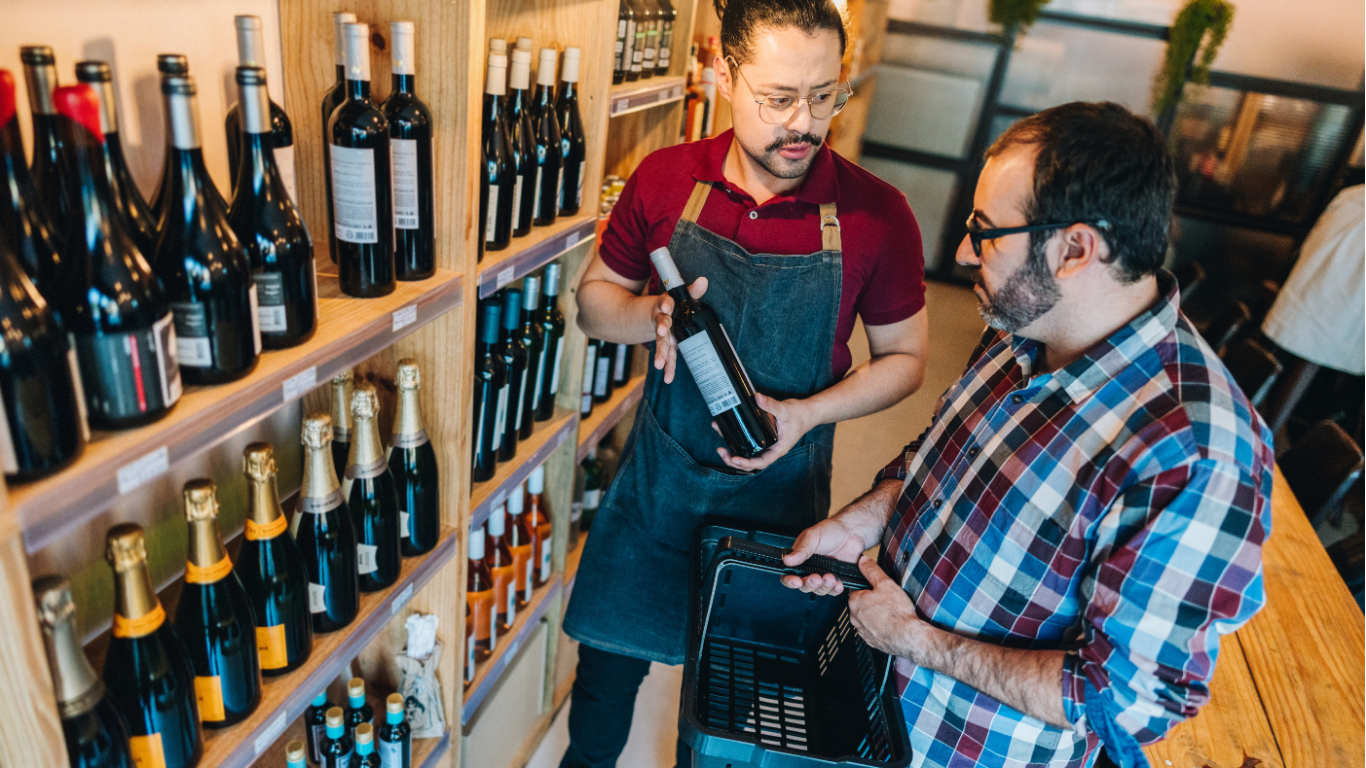
FAQs about buying a liquor store in Williamsburg
What should I review first when buying a liquor store?
When buying a liquor store, start with the fundamentals that drive risk and value: what assets are included, what liabilities might follow you, and whether the location and lease terms support the business model. Buyers often focus on the purchase price first, but the smarter first step is understanding the structure of the deal, the condition of the lease or property rights, and what the seller must prove or deliver before closing.
Is buying a liquor store treated like a real estate transaction or a business transaction?
Buying a liquor store is commonly a business transaction with major real estate components. Even when you’re not buying the building, the lease can be as important as the business itself. Many of the highest-impact issues—assignment clauses, landlord consent, use restrictions, renewal options, rent increases—live in the real estate documents, which is why buyers benefit from counsel that understands the real estate and transactional overlap.
What can go wrong if the purchase agreement is vague?
A vague agreement during buying a liquor store can create disputes over what inventory was included, what equipment was promised, whether certain debts or obligations should be paid by the seller, and what happens if key conditions aren’t met. Ambiguity also weakens your leverage when something goes sideways, because you can’t enforce what isn’t clearly written. Strong legal drafting turns assumptions into enforceable terms.
How do lease terms affect buying a liquor store?
Lease terms can determine whether buying a liquor store is a smart purchase or an expensive headache. If the lease can’t be assigned, if the landlord can reject you, if the rent escalations are steep, or if the use clause is restrictive, your operational options may be limited from day one. A careful lease review also helps identify hidden costs and responsibilities like repairs, compliance obligations, insurance requirements, and potential defaults.
Do I need a lawyer if I already have a broker or accountant?
A broker and accountant can be helpful during buying a liquor store, but their roles are different. Legal counsel focuses on contracts, risk allocation, enforceable protections, and real estate/lease issues that can materially change the deal. The goal isn’t duplication—it’s coverage. When everyone does their part, you get a clearer view of the opportunity and a transaction that’s structured to protect you.
Ready to move forward with buying a liquor store in Williamsburg?



Commercial Service
Expert legal guidance for complex commercial real estate transactions and disputes.
Pay Invoice
Conveniently pay your invoice online through our secure payment portal.

News/Blog
Stay updated with our latest legal insights and real estate news.


Experience the difference of quality legal representation.
Experience the difference of quality legal representation with Price Law Firm. Our dedicated team of experienced attorneys provides personalized, client-centered service, ensuring your legal needs are met with expertise and care. From comprehensive legal support to successful dispute resolution, we prioritize your interests and work diligently to achieve the best possible outcomes. Partner with us for exceptional legal advocacy.