
Buying a Liquor Store in Suffolk County
Buying a liquor store in Suffolk County means more than just signing on the dotted line. With its mix of townships like Huntington, Islip, and Brookhaven, Suffolk County offers a wide range of commercial environments—each with its own zoning rules, local permitting practices, and neighborhood dynamics that can impact your deal.
When buying a liquor store in Suffolk County, you're taking on more than just a storefront and stock. You’re entering a tightly regulated industry, assuming contractual obligations, evaluating financial accuracy, and often navigating lease or property conditions that carry long-term consequences.
At The Price Law Firm, we assist clients buying a liquor store in Suffolk County by digging into the fine print, identifying where risk hides, and helping craft deals that are built on clarity, enforceability, and strong legal safeguards.
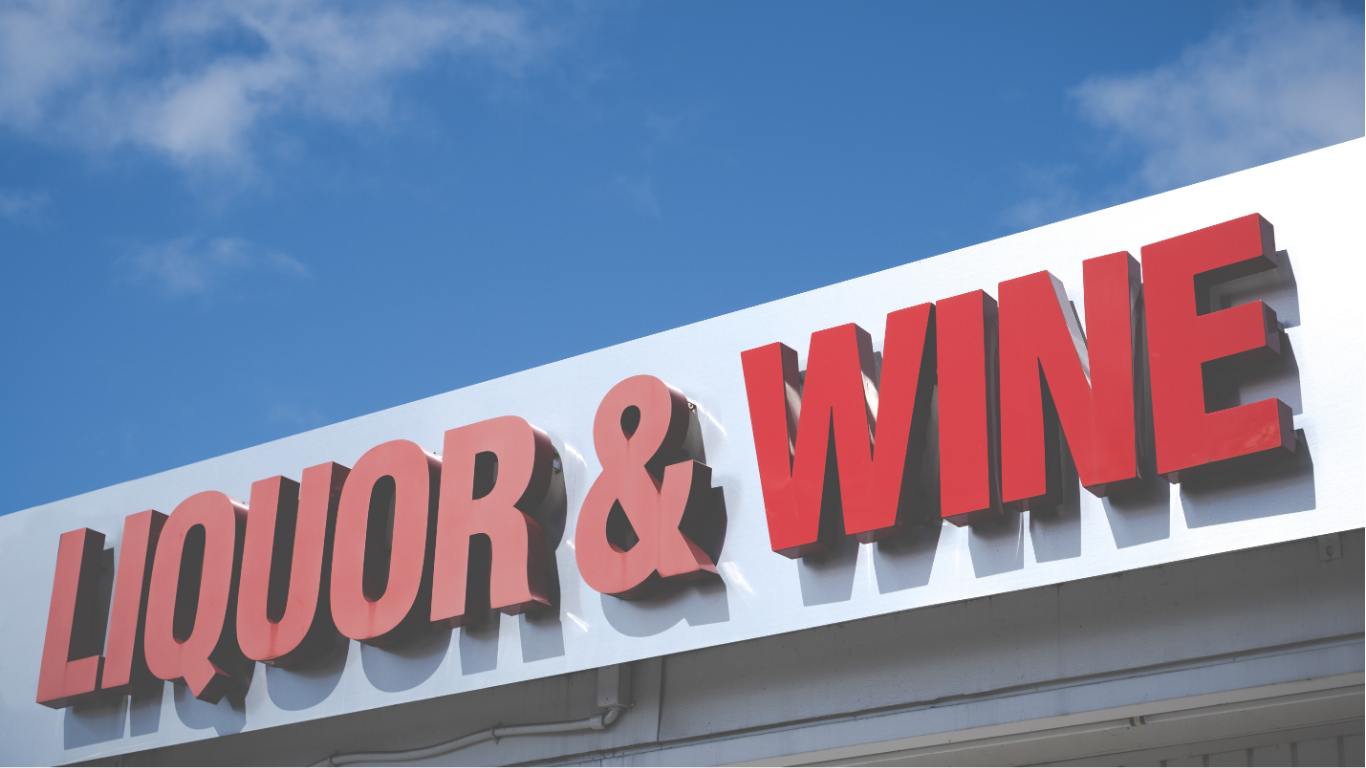
Buying a liquor store in Suffolk County with a legal strategy that protects the deal—not just the closing date
Liquor store purchases in Suffolk County often blend business and real estate transactions with regulatory oversight. That overlap is where most deals become risky—loose language in contracts, missing key details, or mistaken assumptions about how easily the business can transition to new ownership.
When clients are buying a liquor store in Suffolk County, our goal is to eliminate the guesswork. We define exactly what’s part of the sale, what conditions must be met before closing, and what your fallback is if the seller doesn’t deliver. We negotiate and review all transaction documents so you're not relying on informal understandings. If the liquor store occupies a leased space, we assess the lease and landlord demands—because even a store with strong revenue can become a liability if the lease terms don’t support your goals.
Buying a liquor store in Suffolk County without thorough due diligence is a gamble. We make sure the deal reflects reality—and that you’re not inheriting more risk than you expected.
Buying a liquor store in Suffolk County means navigating regulation, real estate, and risk at the same time
In Suffolk County, buying a liquor store means navigating New York's alcohol laws, which influence every stage of the process—from offer to closing. Delays or roadblocks from regulatory agencies can quickly complicate a deal if you’re not prepared.
Real estate is equally important. The success of many Suffolk County liquor stores is tied directly to location, parking, and visibility. Lease terms—such as use clauses, assignment provisions, renewal options, and rent escalations—must be reviewed carefully. We help clients buying a liquor store in Suffolk County understand whether their lease helps or hurts their investment.
Our role is to simplify complexity and help protect you throughout the process. Buying a liquor store in Suffolk County becomes a much safer move when your deal is built on legal clarity and strong documentation.
What are the challenges of owning a liquor store in Suffolk County?
Compliance isn’t something that kicks in after a liquor store is purchased—it starts during the buying process. When buying a liquor store in Suffolk County, navigating approvals, eligibility standards, and regulatory conditions is part of the deal structure itself.
That’s not the only risk. Buyers often overlook other major concerns that can derail performance. When buying a liquor store in Suffolk County, we help identify common pitfalls such as:
✔ Licensing requirements and approval hurdles: making sure you qualify and understand the timeline
✔ Lease restrictions and landlord involvement: understanding your rights and obligations under existing lease terms
✔ Building regulations and neighborhood policies: local rules that might limit hours, signage, or usage
✔ Vendor and distribution issues: agreements that may change—or end—when ownership transfers
✔ Inventory valuation and loss prevention: making sure numbers match and theft exposure is addressed
✔ Employee management: staff transitions, retention strategies, and operations post-closing
✔ Financial accuracy and deal integrity: verifying the seller’s claims and identifying non-transferable value
Legal review during buying a liquor store in Suffolk County gives you the tools to spot these issues early—and avoid being stuck with them later.

How much money do I need to open a small liquor store in Suffolk County?
Costs for buying a liquor store in Suffolk County can vary depending on town location, property status, lease terms, licensing costs, and how the store operates. Public averages rarely reflect the true financial picture of a specific deal.
That’s why the better strategy is to treat buying a liquor store in Suffolk County as an investment decision. Confirm what you’re acquiring, evaluate long-term expenses (like rent and staffing), check on the property’s condition, inventory terms, and how much working capital you’ll need. Your agreement should also spell out what the seller must deliver—including condition, quantity, and compliance—with protections if those obligations aren’t met.
Legal guidance can also help compare multiple Suffolk County deals side by side—so you’re evaluating risk, not just sticker price.
Don’t leave your legal matters to chance. SCHEDULE A CONSULTATION OR CALL US AT (212) 675-1125 for a personalized consultation and let our experts guide you through every step of the process.
Do liquor stores in Suffolk County profit?
Just because a liquor store in Suffolk County shows good revenue doesn’t mean it’s profitable. When buying a liquor store in Suffolk County, it’s critical to separate the seller’s numbers from long-term viability. That includes checking rent costs, payroll obligations, vendor pricing, and whether the store depends on personal connections or informal terms that won’t transfer.
We help clients look beyond surface-level numbers. Buying a liquor store in Suffolk County means confirming whether the store’s success is sustainable—or simply built on conditions that won’t hold after closing.
Legal diligence ensures the deal terms reflect the real business—not a polished version. It can’t guarantee profit, but it does help limit risk and give you more control over what you’re stepping into.

FAQs about buying a liquor store in Suffolk County
What should I review first when buying a liquor store?
When buying a liquor store, start with the fundamentals that drive risk and value: what assets are included, what liabilities might follow you, and whether the location and lease terms support the business model. Buyers often focus on the purchase price first, but the smarter first step is understanding the structure of the deal, the condition of the lease or property rights, and what the seller must prove or deliver before closing.
Is buying a liquor store treated like a real estate transaction or a business transaction?
Buying a liquor store is commonly a business transaction with major real estate components. Even when you’re not buying the building, the lease can be as important as the business itself. Many of the highest-impact issues—assignment clauses, landlord consent, use restrictions, renewal options, rent increases—live in the real estate documents, which is why buyers benefit from counsel that understands the real estate and transactional overlap.
What can go wrong if the purchase agreement is vague?
A vague agreement during buying a liquor store can create disputes over what inventory was included, what equipment was promised, whether certain debts or obligations should be paid by the seller, and what happens if key conditions aren’t met. Ambiguity also weakens your leverage when something goes sideways, because you can’t enforce what isn’t clearly written. Strong legal drafting turns assumptions into enforceable terms.
How do lease terms affect buying a liquor store?
Lease terms can determine whether buying a liquor store is a smart purchase or an expensive headache. If the lease can’t be assigned, if the landlord can reject you, if the rent escalations are steep, or if the use clause is restrictive, your operational options may be limited from day one. A careful lease review also helps identify hidden costs and responsibilities like repairs, compliance obligations, insurance requirements, and potential defaults.
Do I need a lawyer if I already have a broker or accountant?
A broker and accountant can be helpful during buying a liquor store, but their roles are different. Legal counsel focuses on contracts, risk allocation, enforceable protections, and real estate/lease issues that can materially change the deal. The goal isn’t duplication—it’s coverage. When everyone does their part, you get a clearer view of the opportunity and a transaction that’s structured to protect you.
Ready to move forward with buying a liquor store in Suffolk County?




Commercial Service
Expert legal guidance for complex commercial real estate transactions and disputes.

Pay Invoice
Conveniently pay your invoice online through our secure payment portal.

News/Blog
Stay updated with our latest legal insights and real estate news.


Experience the difference of quality legal representation.
Experience the difference of quality legal representation with Price Law Firm. Our dedicated team of experienced attorneys provides personalized, client-centered service, ensuring your legal needs are met with expertise and care. From comprehensive legal support to successful dispute resolution, we prioritize your interests and work diligently to achieve the best possible outcomes. Partner with us for exceptional legal advocacy.