
Buying a Liquor Store in Long Island
Buying a liquor store in Long Island involves more than picking a location and signing a contract. From small towns to busy corridors, Long Island presents a diverse set of legal, regulatory, and real estate challenges that can quickly complicate what seems like a simple transaction.
When buying a liquor store in Long Island, you’re not just buying inventory and equipment—you’re entering a regulated business space, assuming lease obligations, taking on vendor relationships, and relying on the accuracy of financial documents that can significantly affect your bottom line.
At The Price Law Firm, we help clients buying a liquor store in Long Island understand what they’re really taking on. We identify deal terms that need adjusting, spot hidden risks in contracts, and ensure your agreement is structured for clarity and protection—from negotiation through closing.
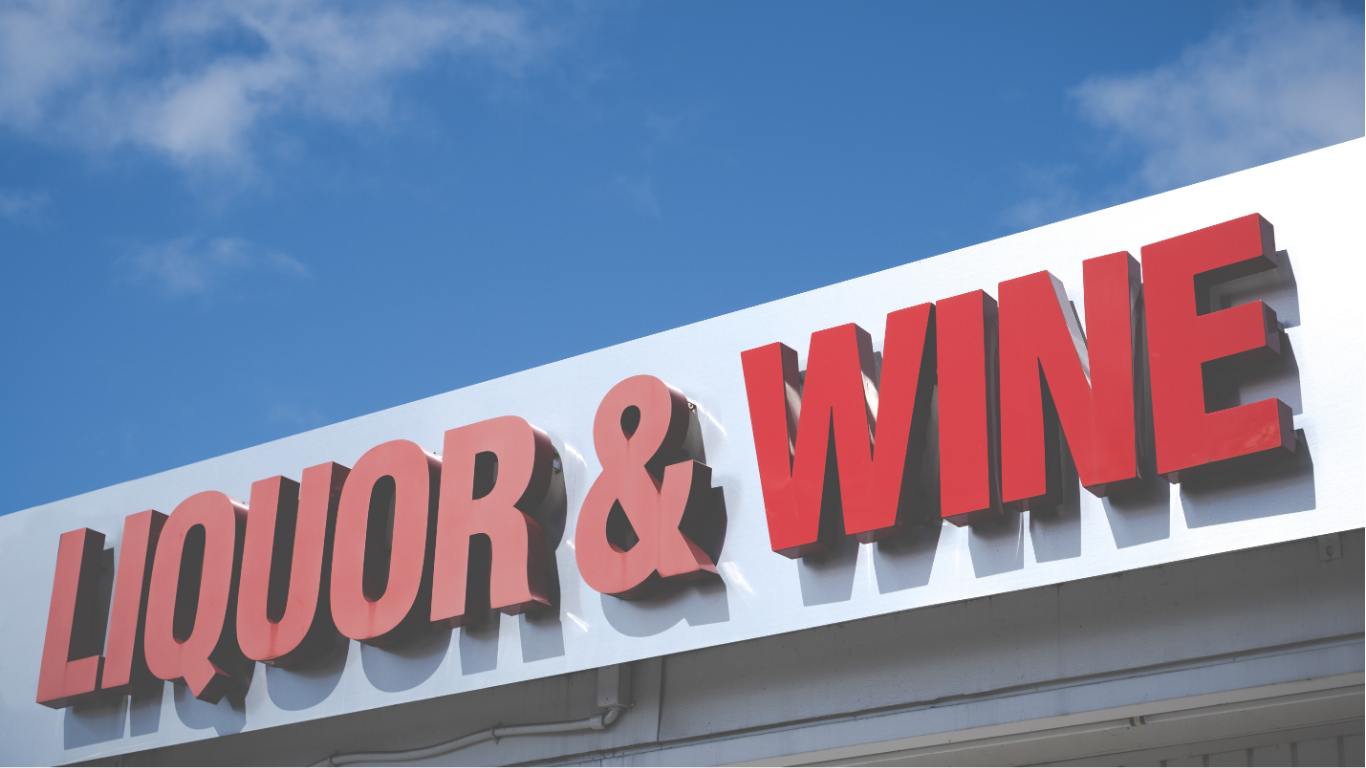
Buying a liquor store in Long Island with a legal strategy that protects the deal—not just the closing date
Liquor store deals in Long Island are often a complex blend of business acquisition, real estate considerations, and legal compliance. Where those areas overlap is where buyers often get burned—due to unclear agreements, overlooked disclosures, and misplaced confidence in how easily ownership will transfer.
We help clients bring the deal into focus when buying a liquor store in Long Island. That means confirming exactly what’s being purchased, identifying what still needs to happen before the deal closes, and making sure your protections are enforceable—not just implied. If the liquor store is leased, we review the lease terms, assess landlord obligations, and confirm whether the lease supports your plans or puts your investment at risk.
With due diligence, we validate the seller’s claims about revenue, inventory, expenses, and contracts. Buying a liquor store in Long Island without this legal process is a risk—one that can be avoided with smart review and planning.
Buying a liquor store in Long Island means navigating regulation, real estate, and risk at the same time
New York liquor laws play a central role in shaping liquor store transactions across Long Island. Licensing, approvals, and compliance aren’t just post-closing concerns—they affect your ability to move forward with the deal at all.
Leases are another critical factor. In Long Island, liquor store performance can depend on foot traffic, co-tenancy agreements, and the flexibility of your space. When buying a liquor store in Long Island, we help you understand the lease terms—rent escalations, renewal rights, permitted use, and landlord consent—so your business isn’t boxed in by fine print.
The legal goal isn’t to slow the deal down—it’s to ensure buying a liquor store in Long Island happens with full awareness of what you’re committing to, and that your investment is legally protected.
What are the challenges of owning a liquor store in Long Island?
Regulatory compliance is one of the most important—and often overlooked—aspects of buying a liquor store in Long Island. Licensing requirements, eligibility criteria, and operational conditions must all be considered before the deal closes, not afterward.
But regulation isn’t the only concern. Other risks often go unnoticed until a legal review is done. Common challenges in Long Island liquor store purchases include:
✔ Licensing and compliance hurdles: making sure you’re eligible and approvals are timed correctly
✔ Lease limitations and landlord constraints: clauses that impact operations, transfers, or expansion
✔ Local zoning and property rules: municipal requirements that affect what you can and can’t do
✔ Supply chain and vendor issues: whether agreements transfer or require renegotiation
✔ Inventory accuracy and theft exposure: ensuring value matches what’s claimed
✔ Employee transition and training: continuity of service and staffing after ownership changes
✔ Financial truth vs. projection: distinguishing real performance from inflated or temporary numbers
Legal review helps you tackle these areas proactively. Buying a liquor store in Long Island is much safer when you’re armed with the right information upfront.

How much money do I need to open a small liquor store in Long Island?
There’s no one-size-fits-all cost when buying a liquor store in Long Island. Each deal is shaped by the store’s location, size, property terms, licensing needs, and whether you’re leasing or buying the premises. General figures might give a rough idea—but they don’t replace the need for real financial analysis.
You should treat buying a liquor store in Long Island like any other high-value investment. Break down the deal: what exactly are you buying, what expenses are locked in (rent, repairs, payroll), what inventory is truly included, and what working capital you’ll need to keep things running post-closing. The purchase agreement should also set clear standards for what the seller must deliver—and what happens if those terms aren’t met.
If you’re comparing multiple opportunities, legal guidance helps you see past surface-level pricing to understand real risks and tradeoffs.
Don’t leave your legal matters to chance. SCHEDULE A CONSULTATION OR CALL US AT (212) 675-1125 for a personalized consultation and let our experts guide you through every step of the process.
Do liquor stores in Long Island profit?
A liquor store might look like a profitable business, but success in Long Island depends on more than just sales numbers. When buying a liquor store in Long Island, you need to understand whether the store’s performance is tied to factors that won’t carry over—like seller involvement, vendor pricing, or lease terms.
It’s important to confirm that the financials are real, repeatable, and not inflated by short-term trends. You should also know if the business relies on handshake agreements or special vendor terms that might not transfer with the sale.
Legal diligence doesn’t guarantee future profits, but when buying a liquor store in Long Island, it gives you a more complete picture and the tools to protect your investment from the start.

FAQs about buying a liquor store in Long Island
What should I review first when buying a liquor store?
When buying a liquor store, start with the fundamentals that drive risk and value: what assets are included, what liabilities might follow you, and whether the location and lease terms support the business model. Buyers often focus on the purchase price first, but the smarter first step is understanding the structure of the deal, the condition of the lease or property rights, and what the seller must prove or deliver before closing.
Is buying a liquor store treated like a real estate transaction or a business transaction?
Buying a liquor store is commonly a business transaction with major real estate components. Even when you’re not buying the building, the lease can be as important as the business itself. Many of the highest-impact issues—assignment clauses, landlord consent, use restrictions, renewal options, rent increases—live in the real estate documents, which is why buyers benefit from counsel that understands the real estate and transactional overlap.
What can go wrong if the purchase agreement is vague?
A vague agreement during buying a liquor store can create disputes over what inventory was included, what equipment was promised, whether certain debts or obligations should be paid by the seller, and what happens if key conditions aren’t met. Ambiguity also weakens your leverage when something goes sideways, because you can’t enforce what isn’t clearly written. Strong legal drafting turns assumptions into enforceable terms.
How do lease terms affect buying a liquor store?
Lease terms can determine whether buying a liquor store is a smart purchase or an expensive headache. If the lease can’t be assigned, if the landlord can reject you, if the rent escalations are steep, or if the use clause is restrictive, your operational options may be limited from day one. A careful lease review also helps identify hidden costs and responsibilities like repairs, compliance obligations, insurance requirements, and potential defaults.
Do I need a lawyer if I already have a broker or accountant?
A broker and accountant can be helpful during buying a liquor store, but their roles are different. Legal counsel focuses on contracts, risk allocation, enforceable protections, and real estate/lease issues that can materially change the deal. The goal isn’t duplication—it’s coverage. When everyone does their part, you get a clearer view of the opportunity and a transaction that’s structured to protect you.
Ready to move forward with buying a liquor store in Long Island?




Commercial Service
Expert legal guidance for complex commercial real estate transactions and disputes.
Pay Invoice
Conveniently pay your invoice online through our secure payment portal.

News/Blog
Stay updated with our latest legal insights and real estate news.


Experience the difference of quality legal representation.
Experience the difference of quality legal representation with Price Law Firm. Our dedicated team of experienced attorneys provides personalized, client-centered service, ensuring your legal needs are met with expertise and care. From comprehensive legal support to successful dispute resolution, we prioritize your interests and work diligently to achieve the best possible outcomes. Partner with us for exceptional legal advocacy.